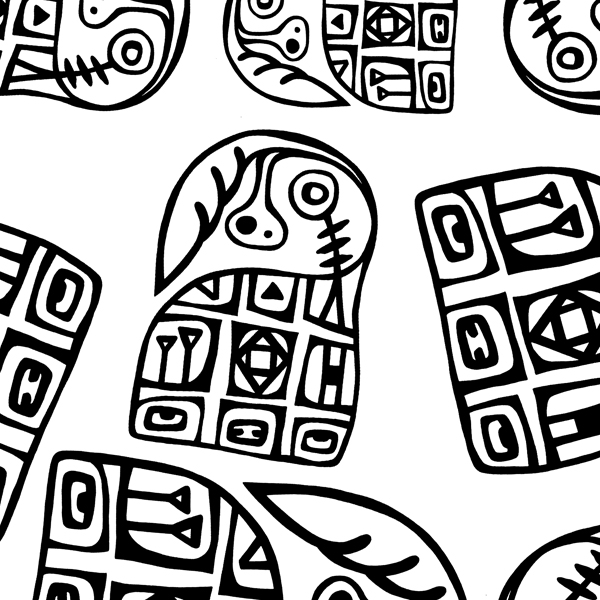
點仔|dIM2AI-150711
自由幻想、細看、感受及旋轉。
fREE to iMAGINE, sCAN, fEEL and rOTATE.
..,

風、牆、風車|wIND, wALL, wINDMILL
某天,在下意外地看到這張柏林 Volkshochschule的宣傳卡,卡上印道(德語)#1:
One day, I accidentally saw this Berlin Volkshochschule’s flyer, printed (German) #1 on the card:
“Wenn der Wind der Veränderung bläst, bauen einige Menschen Mauern und andere Windmühlen.” (Chinesisches Sprichwort)
翻譯成中文:
「當風向改變時,有的人會築牆,其他則築風車。」(華夏諺語)
Translated in English:
“When the winds of change blow, some build walls and others build windmills.”(Chinese proverb)
在下想了很久也想不出哪句諺語,即使向在下的華文老師及他的華文老師請教,他們也無法理解。加上風車不是由古代華夏發明,而是多年前由波斯傳入,其後於明朝(約十三至十四世紀)開始被歷史記載及普及使用。然而,於文化創作中,「風車」可不常被提及。於網路搜尋資料時,更看到不少懂中文的華人也問著同樣的問題-這句所謂諺語的出處及其真確性。(⋯⋯)
I have taken long time to think but still could not get this proverb, even though I have asked my Chinese teacher and his Chinese teacher regarding this issue, both of them cannot understand. Plus the windmill was not invented by the ancient Chinese, but was spread from Persia many years ago. Until Ming Dynasty (around 13th to 14th century), windmill started to be recorded historically and used universally. However, “windmill” was not often mentioned in cultural creation. And when researching on internet, there’s a lot of people who understand Chinese have asked the same questions – the provenance of this so-called proverb and its authenticity. (……)
更名|rENAME
特此通知:
Notice is hereby given that:
在下還是喜歡最初名字的構思,故正式更名為「竹 zUK・本 bUN・點 dIM」。
I still prefer the original idea of the name and thus officially renamed as “竹 zUK・本 bUN・點 dIM”.
..,
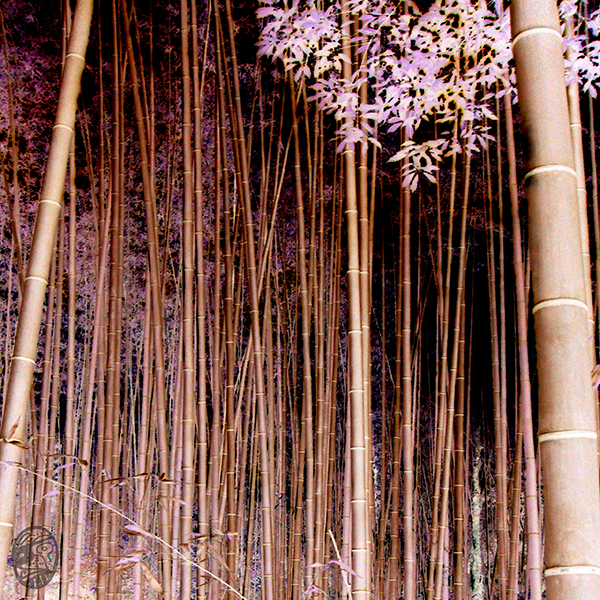
固、直、空、貞|tOUGH, sTRAIGHT, hOLLOW, fAITHFUL
自古,竹子已常常被人們比喻成君子。
Bamboo has always been likened to real man by people since ancient times.
白居易(七七二年至八四六年 ,唐代著名詩人、
文學家及政府官員)-《養竹記》首段:
Bai Juyi (772-846, famous Tang Dynasty poet,
litterateur and government official) – first paragraph of “Story of planting bamboo”:
×××
竹似賢,何哉?
Bamboo is like sage, why?

春曉|sPRING dAWN
春天的到訪是令人陶醉還是夢醒?
Spring’s visit is to intoxicate or awaken people from dreams?
孟浩然(六八九年至七四零年,唐代詩人)-《春曉》:
Meng Haoran (689-740, Tang Dynasty poet) – “Spring Dawn”:
春眠不覺曉,處處聞啼鳥。
夜來風雨聲,花落知多少。
Day has dawned unconsciously during the spring sleep, and birds twitter everywhere.
Came on with sounds of wind and rain in the night, wonder how many blossoms have fallen.
還是一個新開始?
Or a new start?
..,
扻穿你個頭|hIT yOUR hEAD
今天在下介紹一下香港傳統的《祝壽歌》:
Today I introduce the Hong Kong traditional version of “birthday song” (Zuk Sau Go):
恭祝你福壽與天齊,慶賀你生辰快樂;
年年都有今日,歲歲都有今朝,
恭喜你 ,恭喜你!
Wish you being blessed with longevity, on a par with the sky and a happy birthday;
Wish you a wonderful day like today every year,
Congratulations, congratulations!