冰、釋|iCE, mELT

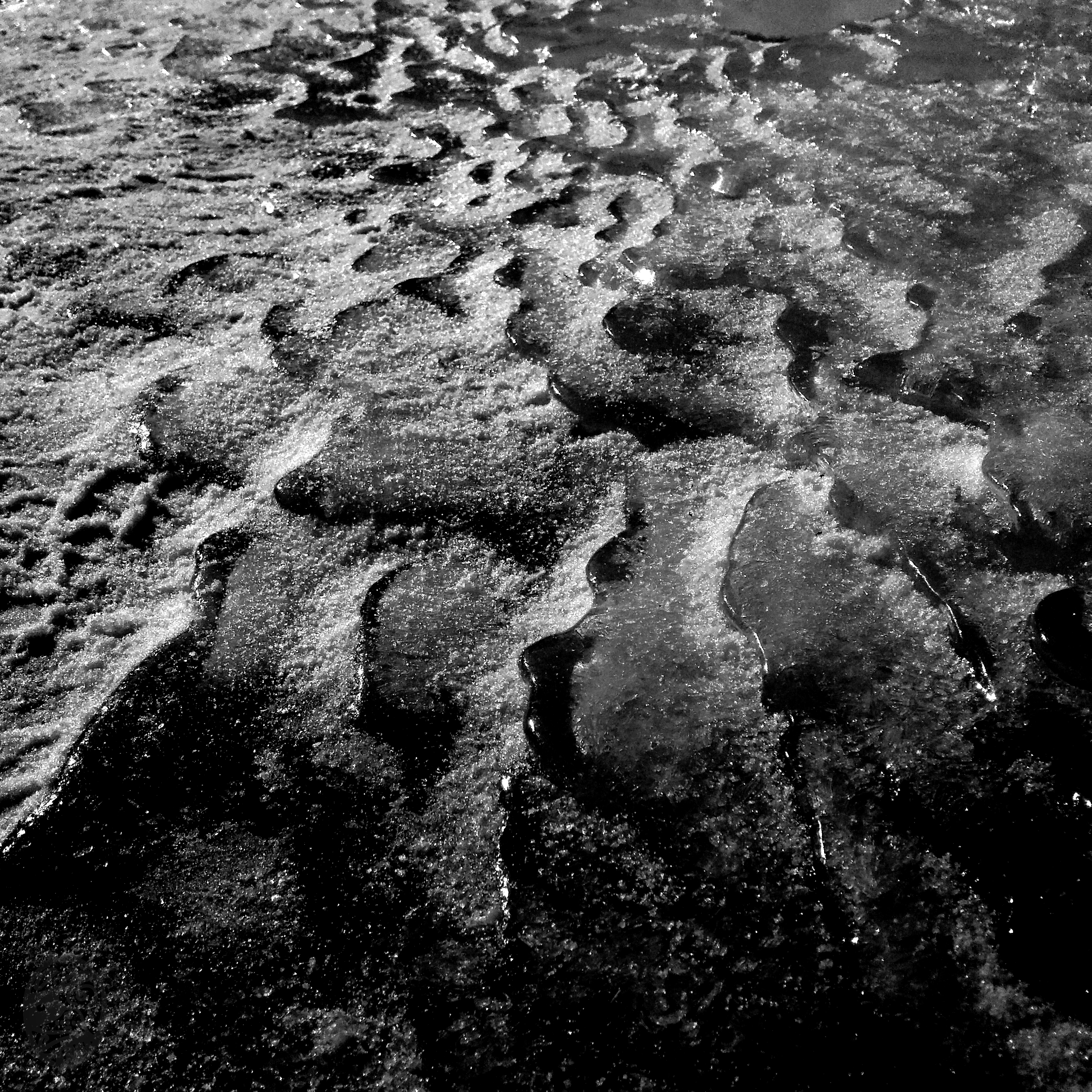
冰、釋|iCE, mELT

違反天理,心只求虛,活在非非。
To violate the laws of nATURE and aspire to things which are uNREAL, that is living in an iLLUSORY world.

王充(二七年至九七年),東漢哲學家-《論衡》-第廿四篇《道虛》之末部:
Wang Chong (27-97), A philosopher of the Eastern Han Dynasty (25-220)*₁ – The last part of the Chapter 24th – “Daoxu”*₃ of the “Lunheng”*₂:

×××
有[血脈₁]之類,無有不[生₂],生無不[死₃]。以其生,故知其死也。

天地不生,故不死;[陰₄][陽₅]不生,故不死。死者,[生₆]之效;生者,死之驗也。

夫有始者必有終,有終者必有始。唯無[終₇][始₈]者,乃[長生不死₉]。

人之生,其猶[冰₁₀]也。水凝而為冰,[氣₁₁]積而為人。冰極一冬而釋,人竟百歲而死。人可令不死,冰可令不[釋₁₂]乎?

諸學[仙術₁₃]為不死之方,其必不[成₁₄],猶[不能₁₅]使冰終不釋也。

Those lives which have [bLOOD relationships₁], none of them were not [bORN₂]. After being born, none of them do not [dIE₃]. From the fact of birth, so humans know about death.

Sky and earth were not born, therefore they do not die; [dARKNESS (yIN)₄] and [bRIGHTNESS (yANG)₅] were not born, therefore they do not die. Death, is a proof of [lIFE₆]; and life, is a proof of death.

There must be a beginning with an ending and an ending with a beginning. Only there’s no [eND₇] and no [sTART₈], then things [last fOREVER₉].

Human’s life is like [iCE₁₀]. Water is solidified into ice, [breaths (cHI)₁₁] are accumulated to be human. Ice will melt after winter, human will die after hundred years. If human can make himself not die, can ice let itself not [mELT₁₂] then?

All who learn the [mAGIC₁₃] power for immortality, they will certainly not [sUCCEED₁₄], just as it is [iMPOSSIBL₁₅] to make ice never melt.
×××

Continue reading

感、雪|fEEL, sNOW

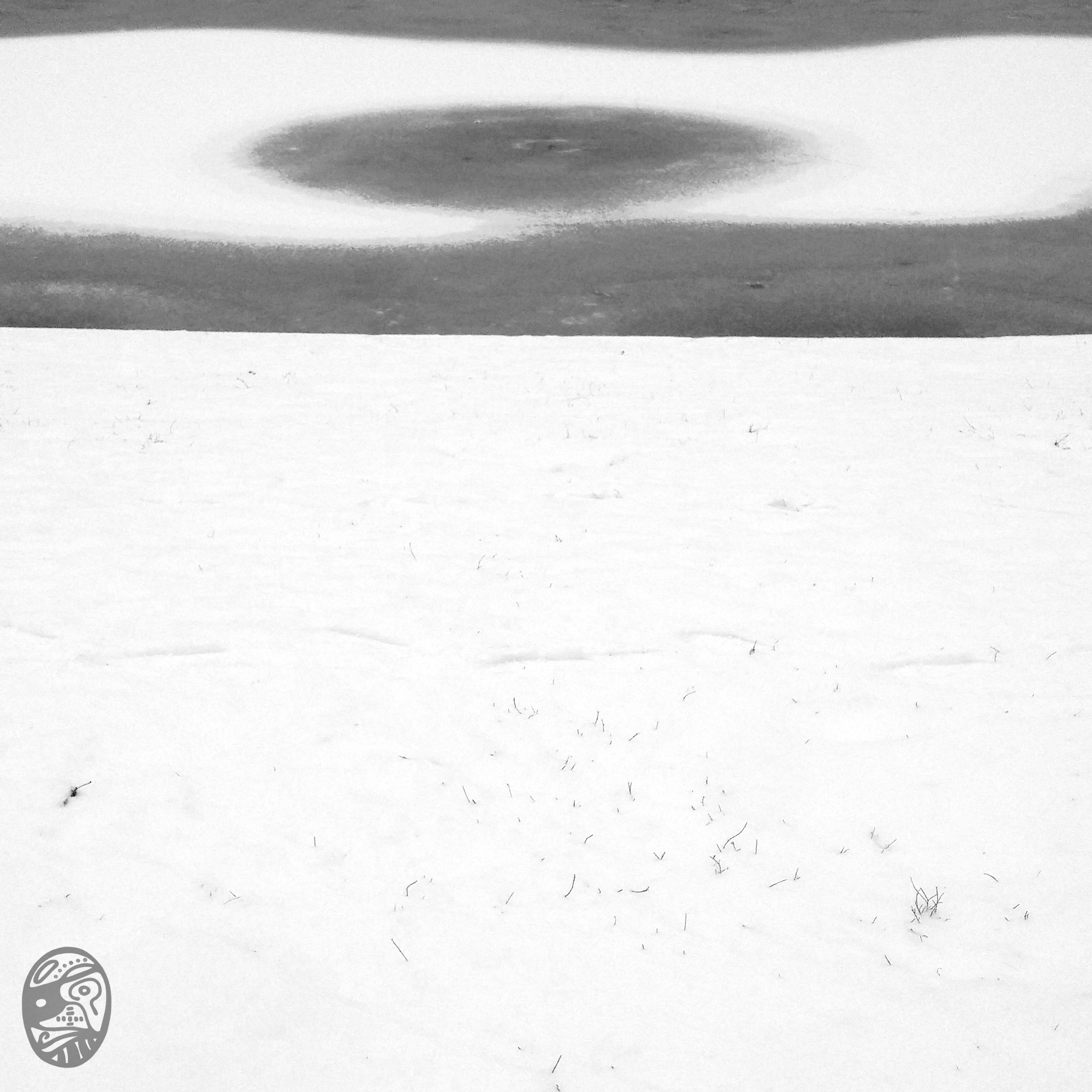
(相 pHOTO – 訴 雪|tELL sNOW : sPREE cORNER kREUZBERG bERLIN )

感、雪|fEEL, sNOW

雪,不只是凍,有時還會又苦又甜。
Snow, is not just cOLD, sometimes also bITTERSWEET.

羅隱(八三三年至九零九或九一零年,唐末詩人及文學家)-《雪》:
Luo Yin (833-909/910, Late Tang Dynasty’s poet and writer) – “Snow”:

×××
盡道豐年瑞,豐年事若何。
長安有貧者,爲瑞不宜多。
People all are talking that the gOOD snow is a good sign of the bumper hARVEST for the next year, sO wHAT?
Chang’an*₁ has pOOR people, the good snow still should not be mORE.
×××

Continue reading

禪、靜、思|zEN, sTILLNESS, tHINKING

禪、靜、思|zEN, sTILLNESS, tHINKING

若參「禪」,先參「靜」,再參「思」。
To study “zEN”, we must first study “sTILLNESS”, then “tHINKING”.

永明延壽(九零四年至九七五年,吳越佛教高僧及禪師)-《山居詩》之一:
Yongming Yanshou (904-975, an eminent Buddhist monk and master of Zen of Wuyue Dynasty*₁) – One of the “Poems of mountain-dwelling”:

×××
幽齋獨坐絕參詳,兀爾何如驟世忙。
拯濟終憑宏願力,安閒須得守愚方。
柴門半掩花空落,苔徑虛蹤草自荒。
最好靜中無一事,翛然唯得道芽長。
Sitting aLONE in a silent room and not caring about the things in the world, but feeling how bUSY the world is in the silence.
To hELP others, we always need to have sTRONG willingness. In order to be at eASE, we must comply with the teachings by looking foolish but being wISE.
The firewood-door is half cLOSE and the flowers fall, the little aBANDONED path is covered with the moss and weeds.
The best thing is, nOTHING happens in the sILENCE, then the bud of the “vIRTUE of heart” can gROW freely and naturally.
×××

Continue reading

兩、我|tWO, mE

兩、我|tWO, mE

常聽人抱怨:「為何別人就是不能像我般⋯⋯」。
然後他們發愁,甚至感到氣憤,應該受夠了吧。
Often hear people cOMPLAIN: “Why the others just can not be like me ⋯ ⋯”.
Then they wORRY or even be rESENTFUL and should have sUFFERED enough.

這讓在下想起我們民間其中一句諺語:
That reminds me one of our folk pROVERB:

×××
「若要人似我,除非兩個我。」
“(It’s iMPOSSIBLE,) If I want oTHERS to be lIKE mE, uNLESS there are tWO of ‘mE’.”
×××

Continue reading